
TIBSOVO study

HOW WAS TIBSOVO STUDIED?

A clinical trial studied efficacy in 18 adults with relapsed or refractory MDS who were given 500 mg of TIBSOVO orally. The goal of this trial was to determine how effective and safe TIBSOVO is. Treatment continued as long as it remained effective and side effects were manageable, unless patients went on to a stem cell transplant or had another reason to stop.

TIBSOVO results

SOME PEOPLE WITH RELAPSED OR REFRACTORY MDS WHO RECEIVED TARGETED TIBSOVO WERE ABLE TO ACHIEVE COMPLETE REMISSION

When complete remission is achieved, it means that treatment has reduced MDS to the point where it cannot be detected by standardized tests. It also means that the signs and symptoms of MDS cannot be detected.

1 in 3 people.

At the time of the clinical trial, 39% of people (7 out of 18) reached complete remission with TIBSOVO

For the people who achieved complete remission:

Two months.

People reached remission in an average of less than 2 months
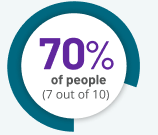
70 percent of people (7 out of 10).

Nearly 7 out of 10 people were estimated to remain in remission for 6 yearsa

aThe number of people who remained in remission was estimated. The median length of time that people stayed in remission could not be estimated in the study, because patients were still in remission at the end of the study.

TIBSOVO HELPED PEOPLE BECOME OR STAY TRANSFUSION-FREE

Transfusion-free means that people who needed transfusions when the study began stopped receiving them for at least 8 weeks

  • 67% of people (6 out of 9) who needed red blood cell or platelet transfusions became transfusion-free after taking TIBSOVO
  • 78% of people (7 out of 9) who were transfusion-free when they started taking TIBSOVO remained so
References: 1. Tibsovo. Package insert. Servier Pharmaceuticals LLC; 2023. 2. DiNardo CD, Roboz GJ, Watts JM, et al. Final phase 1 substudy results of ivosidenib for patients with mutant IDH1 relapsed/refractory myelodysplastic syndrome. Blood Adv. 2024;8(15):4209-4220. doi:10.1182/bloodadvances.2023012302 3. Zeidan AM, Platzbecker U, Bewersdorf JP, et al. Consensus proposal for revised International Working Group 2023 response criteria for higher-risk myelodysplastic syndromes. Blood. 2023;141(17):2047-2061. doi:10.1182/blood.2022018604 4. National Cancer Institute. NCI Dictionary of Cancer Terms: remission. https://www.cancer.gov/publications/dictionaries/cancer-terms/def/remission. Accessed July 24, 2026. 5. Data on file. Servier Pharmaceuticals LLC.
 

What is TIBSOVO?

TIBSOVO is a prescription medicine used to treat adults with an isocitrate dehydrogenase-1 (IDH1) mutation with myelodysplastic syndromes (MDS) when the disease has come back or has not improved after previous treatment(s).

Your healthcare provider will perform a test to make sure that TIBSOVO is right for you. It is not known if TIBSOVO is safe and effective in children.


IMPORTANT SAFETY INFORMATION

TIBSOVO may cause serious side effects, including:

  • Differentiation syndrome. Differentiation syndrome is a common condition that affects your blood cells and may be life-threatening or lead to death. Differentiation syndrome in adults has happened as early as 1 day and up to 3 months after starting TIBSOVO. Call your healthcare provider or go to the nearest hospital emergency room right away if you develop any of the following symptoms of differentiation syndrome during treatment with TIBSOVO:
  • fever
  • cough
  • trouble breathing
  • rash
  • decreased urination
  • dizziness or lightheadedness
  • rapid weight gain
  • swelling of your arms and legs

If you develop signs and symptoms of differentiation syndrome, your healthcare provider may treat you with a corticosteroid medicine or a medicine called hydroxyurea and may monitor you in the hospital.

  • Changes in the electrical activity of your heart called QTc prolongation. QTc prolongation can cause irregular heartbeats that can be life-threatening. Your healthcare provider will check the electrical activity of your heart with a test called an electrocardiogram (ECG) before and during treatment with TIBSOVO. Tell your healthcare provider right away if you feel dizzy, lightheaded, or faint
  • Guillain-Barré Syndrome has happened in people treated with TIBSOVO. Your healthcare provider will monitor you for nervous system problems and will permanently stop your treatment with TIBSOVO if you develop Guillain-Barré syndrome. Tell your healthcare provider right away if you develop any signs or symptoms of Guillain-Barré syndrome, including:
  • weakness or tingling feeling in your legs, arms, or upper body
  • numbness and pain on one side or both sides of your body
  • any changes in your ability to see, touch, hear, or taste
  • burning or prickling sensation
  • difficulty breathing

The most common side effects of TIBSOVO when used in adults with MDS include:

  • changes in certain kidney function tests
  • changes in certain blood cell counts
  • joint pain, back pain, or neck pain
  • decreased levels of albumin in the blood
  • changes in liver function tests
  • fatigue
  • diarrhea
  • cough
  • decreased levels of sodium in the blood
  • pain or sores in your mouth or throat
  • decreased appetite
  • muscle pain
  • decreased levels of phosphorus in the blood
  • itchy skin
  • rash

Your healthcare provider will do blood tests before you start and during treatment with TIBSOVO. Your healthcare provider may decrease, temporarily hold, or permanently stop your treatment with TIBSOVO if you develop certain side effects.

TIBSOVO may cause fertility problems in females and males, which may affect your ability to have children. Talk to your healthcare provider if you have concerns about fertility.

These are not all of the possible side effects of TIBSOVO. Call your doctor for medical advice about side effects. You may report side effects to FDA at 1-800-FDA-1088.

Before taking TIBSOVO, tell your healthcare provider about all of your medical conditions, including if you:

  • have any heart problems, including a condition called long QT syndrome
  • have problems with abnormal electrolytes, such as sodium, potassium, calcium, or magnesium levels
  • have nervous system problems
  • have problems with your kidneys or are on dialysis
  • have any liver disorders, including cirrhosis
  • are pregnant or plan to become pregnant. TIBSOVO can cause harm to your unborn baby. You should avoid becoming pregnant during treatment with TIBSOVO. Tell your healthcare provider right away if you become pregnant or think you might be pregnant during treatment with TIBSOVO
  • are breastfeeding or plan to breastfeed. It is not known if TIBSOVO passes into your breast milk. Do not breastfeed during your treatment with TIBSOVO and for 1 month after your last dose of TIBSOVO

Tell your healthcare provider about all the medicines you take, including prescription and over-the-counter medicines, vitamins, and herbal supplements.

Especially tell your healthcare provider if you take hormonal contraceptives. TIBSOVO may affect how hormonal contraceptives work and may cause them to not work as well.

Please see Full Prescribing Information, including Boxed WARNING for MDS patients and Medication Guide.

Last update: September 2026

Information on this website is reviewed through established medical, legal, and regulatory processes to support accurate, balanced, and label-consistent communication about TIBSOVO.


What is TIBSOVO?

TIBSOVO is a prescription medicine used to treat adults with an isocitrate dehydrogenase-1 (IDH1) mutation with myelodysplastic syndromes (MDS) when the disease has come back or has not improved after previous treatment(s).

Your healthcare provider will perform a test to make sure that TIBSOVO is right for you. It is not known if TIBSOVO is safe and effective in children.

IMPORTANT SAFETY INFORMATION

TIBSOVO may cause serious side effects, including:

  • Differentiation syndrome. Differentiation syndrome is a common condition that affects your blood cells and may be life-threatening or lead to death. Differentiation syndrome in adults with MDS has happened as early as 1 day and up to 3 months after starting TIBSOVO. Call your healthcare provider or go to the nearest hospital emergency room right away if you develop any of the following symptoms of differentiation syndrome during treatment with TIBSOVO:

IMPORTANT SAFETY INFORMATION