



MDS AND TREATMENT WITH TIBSOVO®
About MDS
WHAT ARE MYELODYSPLASTIC SYNDROMES (MDS)?
Your bone marrow is responsible for producing immature blood cells that mature into specialized cells such as red blood cells, white blood cells, and platelets. These specialized cells transport oxygen, help fight infections, and assist in blood clotting.
MDS are a group of blood cancers that disrupt this important process. In patients with MDS, immature blood cells do not mature into healthy red blood cells, white blood cells, or platelets like they should. As more and more immature blood cells are produced, they prevent healthy cells from forming. This leads to the signs and symptoms of MDS.
MDS is closely related to acute myeloid leukemia (AML), a more serious type of cancer that develops in about 1 in 3 people with MDS. That’s why it’s so important to treat MDS when it appears.
What are the signs and symptoms of MDS?
-
 Feeling tired, dizzy, or weak
-
 Shortness of breath
-
 Skin that is paler than normal (which may be harder to see on darker skin tones)
-
 Easily bruising or bleeding
-
 Tiny purple spots on the skin
-
 Frequent infections
Targeted treatment
TREATMENT WITH TIBSOVO
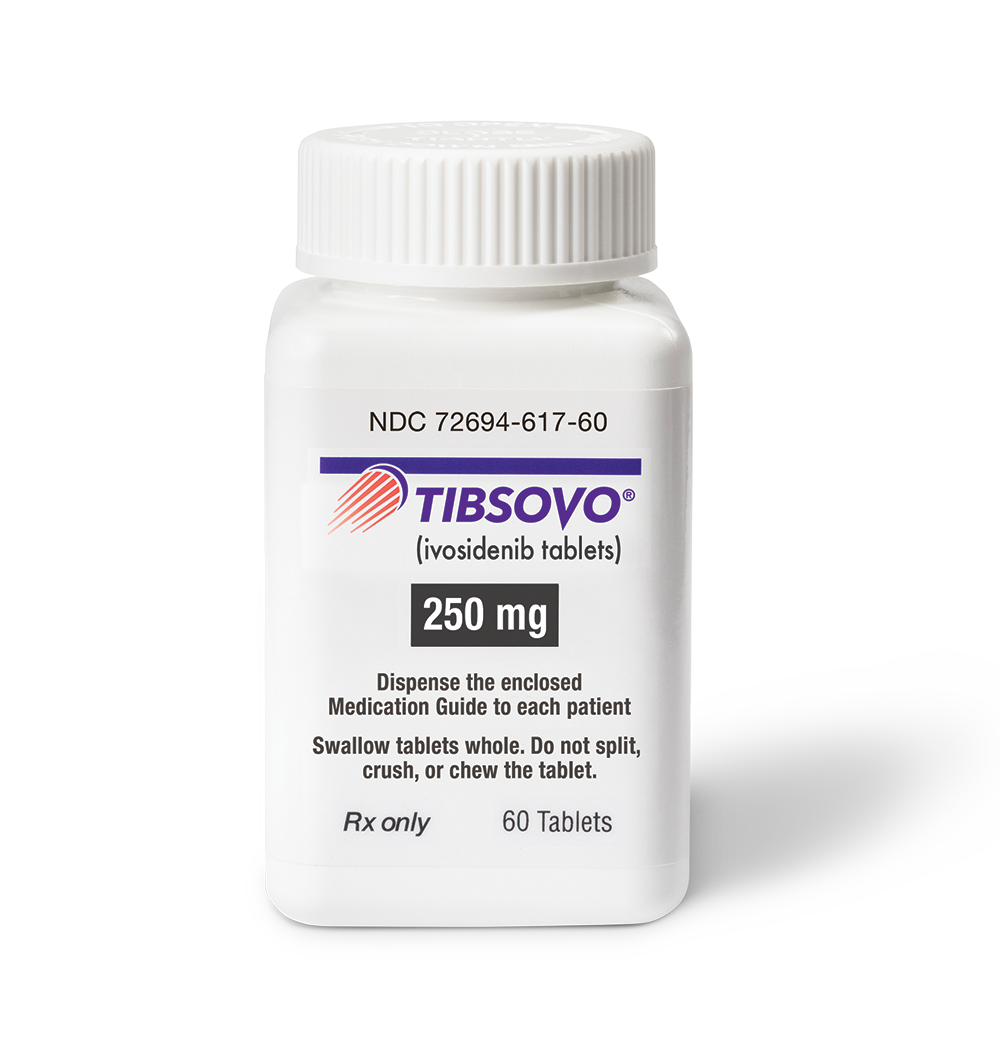
TIBSOVO is the first and only FDA-approved treatment for people with relapsed or refractory MDS with IDH1 mutations
Historically, people who relapse from or do not respond to MDS treatment have had limited options.
TIBSOVO provides a treatment option for people like these
500 mg
(2x 250-mg film-coated tablets)
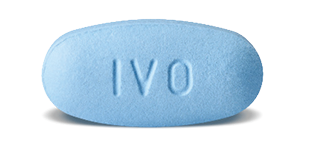
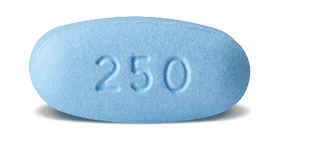
Tablets not shown at actual size.
Doctors may use terms like “relapsed” or “refractory” to describe the type of MDS that TIBSOVO is used for
- Relapsed MDS means that after reaching remission with initial treatment, the signs and symptoms of MDS have returned
- Refractory MDS means that the disease has not responded to treatment
What are isocitrate dehydrogenase-1 (IDH1) mutations?
Mutations are changes in the DNA (deoxyribonucleic acid) of a cell. IDH1 mutations play an important role in the development of MDS because they may prevent immature blood cells from becoming healthy, mature ones.
IDH1 mutations can appear at any time during the course of MDS. Ask your doctor to get retested if your disease worsens or relapses.